Average Reviews:

(More customer reviews)Are you looking to buy Becoming Historians? Here is the right place to find the great deals. we can offer discounts of up to 90% on Becoming Historians. Check out the link below:
>> Click Here to See Compare Prices and Get the Best Offers
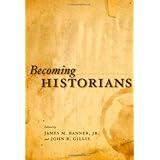
Becoming Historians ReviewThe 11 historians who contributed memoirs to this book represent scholars of history who came of age shortly before or after World War II and before the 1960s-70s - a new generation of historians, quite different from the older, traditionally classical generation. This book is, in the words of the editors, "...a record of one of the discipline's most creative but also most contentious periods."This new generation of historians enhanced their discipline by creating a widely diverse group of new branches of study and specialties, reflections of emerging racial, gender and generational tensions during the period in which they became working professionals. Programs and curricula began to develop in such areas as African American history, women's studies, social and cultural history, public and local history, and non-Western history, among others. Historical editing projects also began to appear, with research libraries and universities sponsoring and housing the publication of letters and documents of significant Americans - "The Papers of . . . ."
The historians themselves were a widely diverse group and thus broke many of the traditional scholarly molds. Many of them came from working class, small business, military or various non-college-educated backgrounds, some being the first family member to go to college. They benefitted from the enormous growth of post-World War II higher education, with its increased emphasis on general liberal arts and higher standards of teacher education and certification. Such evolution also meant the inclusion of ethnic and religious minorities, women, people who came to history laterally from other occupations, and those seeking a complete change via a second career. With their non-traditional backgrounds and experiences, they were able to relate their scholarship to the world around them, to seek ways in which to make their work useful to society, and create new areas of research and study while at the same time creating their own places in these areas. They also turned to research and study in other geographical areas than Europe - Latin America, Asia, Africa.
The editors admit their difficulty in trying to choose contributors for this volume who aptly reflect the diversity and vitality of their discipline, and they have done an excellent job of highlighting these people and areas of learning. Readers of the memoirs will form their own opinions of individual writers, as to the importance or otherwise of each writer's subject matter, how these new areas of scholarship fit in as parts of an ever-expanding whole, and whether individual selections are well-written and informative or simply self-serving.
I have a personal interest in this collection of memoirs. I am a "bridge" - did undergraduate work at the tail-end of the older, classical school of pre-World War II historians, but waited about 15 years to attend graduate school. I consider myself fortunate to have been in graduate school during this rich and prolific period of new discoveries and new life for a traditional discipline.
Becoming Historians OverviewIn this unique collection, the memoirs of eleven historians provide a fascinating portrait of a formative generation of scholars. Born around the time of World War II, these influential historians came of age just before the upheavals of the 1960s and '70s and helped to transform both their discipline and the broader world of American higher education. The self-inventions they thoughtfully chronicle led, in many cases, to the invention of new fields—including women's and gender history, social history, and public history—that cleared paths in the academy and made the study of the past more capacious and broadly relevant. In these stories—skillfully compiled and introduced by James Banner and John Gillis—aspiring historians will find inspiration and guidance, experienced scholars will see reflections of their own dilemmas and struggles, and all readers will discover a rare account of how today's seasoned historians embarked on their intellectual journeys.
Want to learn more information about Becoming Historians?
>> Click Here to See All Customer Reviews & Ratings Now

0 comments:
Post a Comment